Replace Modem for Optimum Performance: A Step-by-Step Guide
Learn how to replace modem for optimum performance with practical, easy-to-follow steps. From compatibility checks to activation, boost speed, reduce drops, and simplify your home network.


This guide helps you replace modem for optimum performance. You’ll learn how to determine if your current modem is holding you back, choose a compatible replacement, and perform the swap with activation and testing. Follow these steps to minimize downtime, maximize speed, and improve reliability across your home network. This is a practical, brand-agnostic approach aligned with Modem Answers recommendations.
Why Replacing Modem Can Deliver Optimum Performance
Your home network hinges on the quality of your modem. Technology advances, service plans scale up, and more devices compete for bandwidth. Replacing your modem can unlock the performance you pay for by ensuring compatibility with current ISP standards and the latest DOCSIS specifications. If you want to replace modem optimum performance, upgrade to a modern DOCSIS modem that supports the latest standards and features. In this section, we discuss how to assess your current setup and why upgrades matter for streaming, gaming, and remote work. The Modem Answers team emphasizes that the upgrade should be planned, not improvised. Start with a baseline: know current speeds, data usage, and whether your existing router can handle higher throughput. A modern modem, paired with the right router, can reduce buffering and dropped connections in households with multiple devices. The goal is not just speed; it is latency, stability, and a better overall user experience. As you plan, write down priorities—better streaming, faster downloads, lower ping in games, or reliable video calls—to guide model selection and feature choices.
Is Your Current Modem Held Back? Signs It's Time to Replace
Older modems often become bottlenecks as your internet plan grows. Look for DOCSIS version that’s well behind current standards, frequent reconnects, overheating, or poor Wi-Fi performance despite a capable router. If streaming buffers or your gaming latency is inconsistent, consider replacing the modem for optimum results. Modem Answers analysis shows that many homes upgrade because their equipment no longer keeps pace with ISP upgrades or household device growth. Check indicators like outage frequency, compatibility issues with new firmware, and the absence of modern security features. If you notice these symptoms, it’s time to evaluate replacements and plan the install window with minimal disruption.
How to Choose a Modem for Optimum Performance
Selecting a modem that delivers optimum performance requires checking several factors. First, ensure the device is compatible with your ISP and supports your plan’s speed tier. Look for DOCSIS 3.1 or 3.2 if your provider offers gigabit service, and verify that the modem’s Ethernet port can handle your wired speeds. Consider whether you want built-in Wi‑Fi or a dedicated gateway; a separate router can offer more flexibility and higher performance in many homes. Also assess future-proofing: some models support multi‑user MIMO and improved audio/video streaming reliability. Make sure to read reviews about real-world performance under typical household loads, and confirm the device has a reputable firmware update track. A careful choice reduces the chance of compatible issues and ensures you truly replace modem optimum performance with a device that matches your needs.
Step-by-Step: Replacing Your Modem
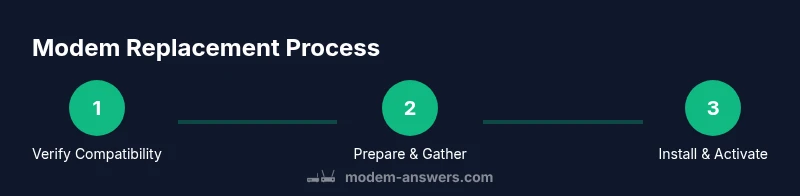
The replacement process involves several concrete actions that, when followed, minimize downtime and maximize success. Start by confirming compatibility with your ISP and planning a brief maintenance window. Then gather essential tools and materials, shut down power to your network, and prepare the coaxial line for the new modem. After connecting the new device, link it to your router or computer via Ethernet, and proceed with ISP activation. Finally, test connectivity, adjust placement, and optimize settings for your home environment. This sequence keeps the operation organized and reduces the chance of activation failures or configuration errors.
Optimize Your Home Network After Upgrade
After you successfully replace the modem, take steps to optimize your home network. If you’re using a separate router, ensure it’s configured for optimal coverage—place it centrally, away from walls and interference, and set a clear wireless channel plan. If you chose a gateway with built-in Wi‑Fi, enable the latest security features and update firmware regularly. Consider enabling bridge mode only if you prefer a pure router/Wi‑Fi solution behind a separate access point. Regular modem firmware updates are essential to maintain security and performance. Finally, document your network setup so future updates, repairs, or ISP changes are straightforward.
Troubleshooting Common Issues After Replacement
Activation problems can delay the real benefits of a modem upgrade. If activation stalls, double-check the coaxial connections, ensure the modem is receiving power, and confirm you’re using the correct account details for activation with your ISP. If you experience slow speeds, verify your plan tier and ensure no other devices are saturating the network. Inconsistent Wi-Fi could indicate interference or suboptimal router placement; perform a quick site survey and adjust the router’s position and channel. If errors persist, consult the modem’s logs and contact your provider for assistance. By understanding common failure points, you can resolve issues quickly and keep your network stable.
The Bottom Line: Upgrading for Better Home Networking
Replacing your modem for optimum performance is about aligning hardware with your evolving internet needs. A modern, compatible modem reduces bottlenecks, improves reliability, and creates a foundation for better home Wi‑Fi. Combined with a smart router setup and mindful placement, this upgrade leads to tangible improvements in streaming quality, gaming responsiveness, and video conferencing reliability. Remember to choose a model that fits your plan, confirm activation steps with your provider, and test the network after the switch.
Tools & Materials
- New compatible modem(Ensure it supports your ISP and plan speed (DOCSIS 3.1/3.2 if gigabit))
- Coaxial cable (new or verified working)(Prefer RG-6 or better, in good condition)
- Power adapter for modem(Original adapter if possible, or a compatible replacement)
- Ethernet cable (Cat5e/6)(For wired connection to router or computer)
- ISP account and activation details(Account number, PIN, or activation info provided by ISP)
- Tool basics (optional)(Small screwdriver if needed for panel access)
- Documentation/quick-start guide(Keep handy for activation steps)
Steps
Estimated time: 60-90 minutes
- 1
Verify compatibility and plan downtime
Confirm that the new modem is supported by your ISP and matches your current service tier. Determine a maintenance window with minimal impact to daily activities. This upfront check reduces surprises during activation.
Tip: Check your ISP’s official compatibility list and note any required provisioning steps. - 2
Gather required tools and materials
Collect the modem, coaxial cable, power adapter, Ethernet cable, and activation details in one quiet workspace. Having everything ready prevents mid-task trips to the other room and speeds up the swap.
Tip: Lay out cables in a tidy, labeled way to avoid reconnecting the wrong ports. - 3
Power off and unplug the old modem
Unplug the modem from power and disconnect the coax, then disconnect Ethernet from your router or PC. Power down any connected devices to avoid static or surges.
Tip: If the device is warm, allow it to cool slightly before handling. - 4
Connect the new modem to the coax network
Attach the coaxial cable to the new modem firmly, ensuring a snug fit to prevent noise or dropouts. Place the modem in a ventilated area.
Tip: Avoid bending the coax too sharply—poor connections cause instability. - 5
Power up and connect to router/PC
Plug in the modem and wait for it to boot. Connect it to your router with an Ethernet cable, or connect directly to a computer for basic testing.
Tip: Use a wired connection during activation for a stable baseline. - 6
Activate the modem with your ISP
Follow your ISP’s activation steps (auto-activation online or phone-based). This step authenticates the device to your account and enables service.
Tip: If activation stalls, reboot the modem and retry; ensure you’re using the correct account details. - 7
Test connectivity and optimize placement
Run speed tests, check latency, and confirm stable Wi‑Fi coverage. Reposition the router if needed to eliminate dead zones.
Tip: Aim for central placement away from walls and electronics that cause interference. - 8
Reconnect devices and finalize
Reconnect all network devices, label cables, and save activation notes. Ensure your network reflects the upgraded equipment in device names.
Tip: Document model numbers and settings for future upgrades.
FAQ
When should I replace my modem to reach optimum performance?
Replace your modem when you notice slow speeds, frequent drops, or when your current hardware doesn’t support your ISP’s latest speeds. Compatibility with your plan is essential to gain real improvements.
Replace your modem when you notice slow speeds or many drops, and ensure it supports your plan’s speeds.
Will upgrading a modem improve Wi‑Fi speed?
Upgrading a modem can improve wired speeds and reliability, but Wi‑Fi performance also depends on your router, placement, and interference. A newer modem paired with a capable router often yields the best results.
Yes, a newer modem can help, but a strong router and good placement matter too.
Do I need a separate router after replacing my modem?
Not always. If you buy a modem-router combo, you’ll have wireless built-in. If you want higher performance or coverage, pairing a dedicated high‑quality router with a separate modem is common.
You can use a modem with built‑in Wi‑Fi or pair a separate router for better control and range.
How do I activate a new modem with my ISP?
Activation is usually online or over the phone. You’ll need your account details and the device’s MAC address. If activation stalls, reboot the modem and retry, or contact your provider.
Activation is usually online; have your account details ready and try again if it stalls.
What if activation fails after a replacement?
Verify connections, ensure correct lines and cables, and check account status with your ISP. If problems persist, contact support for provisioning assistance.
If activation fails, double‑check connections and call your provider for help.
Is bridge mode necessary after upgrading?
Bridge mode is only needed if you want a dedicated router behind a separate gateway. In many homes, a modern router provides sufficient control without bridging.
Bridge mode isn’t always required; use it if you want separate gateway control.
Watch Video
Key Takeaways
- Confirm compatibility and speed tier first
- Choose a modem that supports current ISP standards
- Perform a clean swap with a wired test
- Activate the new modem promptly to avoid service gaps
- Test and optimize Wi‑Fi placement after upgrade