Is Optus Modem Good? A Thorough Practical Review for 2026
Explore whether Optus modems deliver reliable performance and easy setup for typical Australian homes. This in-depth review covers features, limits, and when a third-party router may be worth it.


Optus modems are a practical default for most homes on Optus plans, offering reliable coverage and simple setup. However, performance and features vary by model, and power users may want more control with a separate router or bridging. For everyday tasks and straightforward support, Optus gateways deliver solid value, while advanced users should evaluate their home layout and plan speed before committing.
What makes a modem good for Optus customers
For many households, the question 'is optus modem good' is less about brand loyalty and more about practical reliability, coverage, and ease of use. In evaluating a modem—or a gateway device provided by Optus—you want to consider how well it fits your home layout, your internet plan, and your tech comfort level. A good Optus modem should deliver stable connectivity across common living spaces, support your plan's expected speeds, offer straightforward setup, and provide security features that keep your home network safe without requiring constant tinkering. In our review process at Modem Answers, we examine three core dimensions: performance relative to plan, ease of use, and long-term maintainability. The Modem Answers team found that many Optus gateways perform solidly for typical households, with reliable Wi-Fi coverage in open-plan living areas and uncomplicated firmware updates. However, there are trade-offs: some models share a single Wi-Fi band pool, which may slow devices on crowded networks, and customization options can be limited for power users. We’ll unpack these factors in this article so homeowners and renters can decide whether the Optus modem aligns with their home networking goals. Our guidance emphasizes practical testing in real homes rather than relying on lab specs alone, and we’ll offer step-by-step checks you can perform within minutes.
Modem vs Gateway: Understanding the Optus-provided device
Optus often provides a gateway that combines both the modem and the router in a single unit. The distinction between a pure modem and a gateway can matter for your network goals. If you simply want reliable internet and clean Wi‑Fi in a typical two‑bedroom home, the gateway may be enough. If, however, you want advanced routing features, tighter security, or segmentation of devices for gaming or work, you might prefer bridging the gateway and using a separate high‑performance router. Bridging disables the gateway's routing features so your own router handles IP addresses, firewall rules, and QoS. This can reduce double‑NAT issues and give you more control, but it also adds a setup step and may temporarily disrupt network services during the switch. In our testing, we consider how easy it is to enable bridging, whether Optus supports it on the model you own or lease, and how the first‑party app handles device management after you change modes. We keep a cautious eye on warranty implications and ensure you understand what is included in your plan when you make these changes. The key takeaway is to match your hardware to your home layout and your desired level of control; for most users, the default gateway excels for everyday tasks while power users may prefer a dedicated router.
Key features you should expect from an Optus modem
Modern Optus gateways typically include several core features that support everyday use and modest performance improvements for households with multiple devices:
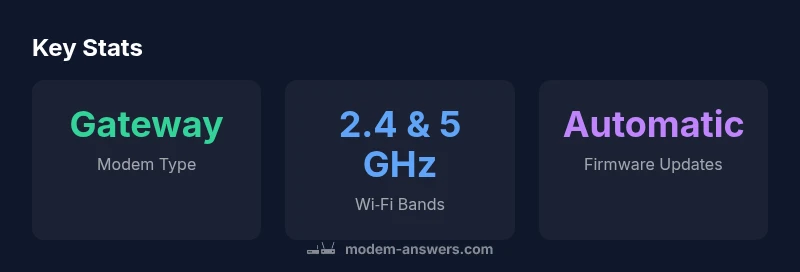
- Dual-band Wi‑Fi (2.4 GHz and 5 GHz) to balance range and speed across rooms
- Integrated firewall and guest network options for basic security and easy device separation
- Simple mobile app management for basic settings, updates, and diagnostics
- Auto firmware updates that help keep security patches current without manual intervention
- Support for QoS basics to prioritize critical devices such as work laptops or gaming consoles
Keep in mind that supported features can vary by model and plan, so verify exactly what your unit offers before committing to a specific setup or contract.
Real-world performance considerations
Real-world performance depends on more than the box label. Location, building materials, and interference from nearby networks all influence the effective coverage and stability of your Optus modem. In practice, many households notice solid streaming and video calls in common living spaces, with reliable connection for essential smart devices. Speeds you experience are often capped by your Optus plan, the number of devices simultaneously online, and whether you’re using the gateway’s built‑in Wi‑Fi or a bridged setup with a dedicated router. Our testing framework emphasizes laddered checks—from quick throughput tests in the living room to more rigorous measurements in the farthest bedrooms—to determine if the device meets your expectations. Modem Answers analysis shows that the most common issues arise from overcrowded bandwidth in large homes or when the router’s maximum throughput is not aligned with the plan you sign up for. In those cases, bridging a third‑party router or upgrading to a higher‑capacity gateway can provide meaningful improvements without a huge investment.
Common drawbacks of provider gateways
Provider gateways are designed for simplicity, not specialization. For many users, the lack of advanced routing features can be limiting, and some models rely on a single Wi‑Fi network that becomes congested as more devices connect. Firmware updates, while automatic, can occasionally reset certain preferences or cause brief outages during installation. If you require granular control over port forwarding, VPN rules, or per-device QoS, you may find the default settings inadequate. Additionally, in very large homes or multi‑story layouts, a single gateway may struggle to maintain uniform coverage without a Wi‑Fi extender or a dedicated router in bridge mode. These observations aren’t universal, but they reflect common patterns seen across homes that use Optus gateways in real-world conditions.
Alternatives: When a third-party modem might be better
For households that value maximum control, a third‑party router paired with Optus’ gateway in bridge mode can deliver improved performance and customization. A dedicated router often offers faster CPUs, wider feature sets, and more reliable coverage for high‑density networks. If you rely on gaming, videoconferencing, or smart home hubs across a large home, upgrading to a high‑end router may yield noticeable benefits. When considering alternatives, check bridge compatibility, ensure you retain basic modem functionality if you still need Optus’ network authentication, and confirm warranty terms on both devices. A well‑chosen third‑party router can also improve signal reliability in rooms farthest from the modem and provide better guest networking controls for visitors.
Setup tips and best practices
To get the most from an Optus gateway (or a bridged setup with a third‑party router):
- Change the default admin password immediately to protect your network
- Place the gateway in a central, open area away from thick walls or metal furniture for better coverage
- Keep firmware updates enabled, but take note of any changed settings after updates
- If you bridge, follow Optus’ steps to ensure your ISP authentication remains uninterrupted
- Run speed tests at different times of day to gauge real‑world performance and adjust QoS rules if needed
What to ask before you lease or buy
Before committing to renting or buying an Optus modem gateway, clarify:
- Which model will you receive and what are its exact specifications?
- Does the device support bridging with a separate router, and what are the steps?
- Are firmware updates automatic, and can you pause them if needed?
- What is the warranty period and what does it cover?
- Can you upgrade to a higher‑capacity gateway if your plan speeds increase?
A practical testing plan
- Run baseline speeds on a wired device from the gateway’s LAN port to set a reference. 2) Test wireless performance in multiple rooms to map coverage and identify 'dead zones'. 3) Enable guest networks and verify device isolation works as expected. 4) If you bridge, compare the performance with a separate router against the gateway mode. 5) Document results over several days of typical usage to determine if the device meets daily demand and whether an upgrade is warranted.
Authority sources
- https://www.acma.gov.au
- https://www.consumer.ftc.gov
- https://www.ed.gov
Positives
- Easy, single‑box setup for typical households
- Integrated gateway saves space and simplifies cabling
- Automatic firmware updates improve security with minimal effort
- Includes basic parental controls and guest networking for household use
- Good value for plan‑level performance when you don’t need advanced features
What's Bad
- Limited advanced routing features for power users
- Performance and features vary by model and plan
- Potential double NAT issues if not bridged in mixed setups
- Fewer customization options compared to high-end third‑party routers
Solid default for most Optus plan users; consider a separate router if you need advanced features or large-home coverage.
For typical homes, the Optus gateway provides dependable coverage and simple setup at a reasonable price. If your needs go beyond basic browsing and streaming—such as gaming, smart home zoning, or very large footprints—a bridged setup with a third‑party router may yield noticeable gains in performance and control. The Modem Answers team’s view is to start with the gateway and upgrade only if your testing shows gaps in coverage or features.
FAQ
Is Optus modem good for all home sizes?
A provider gateway works well for most standard homes, but very large homes or dense multi‑story layouts may require extenders or a separate router to maintain even coverage. Begin with the gateway and test in key rooms before deciding on upgrades.
For many homes, the Optus gateway is sufficient, but larger houses may benefit from extra coverage via extenders or a dedicated router.
Can I use my own router with Optus?
Yes, you can use a third‑party router by placing the Optus gateway in bridge mode so your own router handles routing duties. This can improve performance and flexibility, but follow setup steps carefully to avoid connectivity gaps.
You can use your own router by bridging the gateway, but you’ll want to follow the exact steps to avoid losing connection.
What is the difference between a modem and a router?
A modem converts the ISP signal into a data connection, while a router distributes that connection to multiple devices. Many provider devices combine both functions as a gateway, but you can separate them for greater control and performance.
A modem turns the signal into data; a router shares that data with all your devices.
How do I enable bridging mode on an Optus modem?
Bridging typically requires accessing the gateway admin page, disabling the router function, and enabling bridge mode. You may also need to connect your own router and adjust WAN settings. Always check the latest Optus guides for model-specific steps.
Bridge mode is a setting in the gateway's admin page. After enabling it, reconnect your own router and test.
Will firmware updates reset my settings?
Most updates preserve user settings, but occasional updates can reset some custom configurations. It’s wise to backup important settings before updating and reapply them after the update if needed.
Usually updates keep your settings, but you should back up important ones just in case.
Should I buy or lease Optus modem?
Leasing offers convenience and warranty coverage, while buying can be cheaper long-term if you anticipate extended use. Compare total costs and planned upgrade cycles before deciding.
Think about long-term costs and how often you expect to upgrade before choosing lease or buy.
Key Takeaways
- Assess home layout and plan speed before choosing a gateway
- Bridge to a dedicated router if you need advanced features
- Expect reliable coverage for everyday tasks with typical plans
- Test in multiple rooms and times to verify real-world performance