et2251 Spectrum Modem: Setup, Compatibility, and Performance
Learn how the et2251 spectrum modem fits Spectrum service, its compatibility, setup steps, and optimization tips. A practical guide for homeowners and renters.


Definition: The et2251 spectrum modem is a DOCSIS-certified cable modem intended for Spectrum service. Compatibility hinges on DOCSIS support, official approval, and proper activation. This quick answer highlights how to verify compatibility, what to expect during setup, and how to optimize performance for common home layouts. Start by identifying the modem's DOCSIS version, Ethernet port count, and whether it appears on Spectrum's approved device list. If you're upgrading from a leased modem, you may notice improved responsiveness and more stable Wi‑Fi when paired with a solid router. The rest of this article focuses on practical steps you can take to ensure a smooth experience with Spectrum service, rather than vendor hype. In many homes, the first step is simply confirming that the device is compatible with Spectrum's service tier and using the official activation flow. Once compatibility is confirmed, you can plan the network topology, consider bridging or routing options, and avoid common pitfalls such as attempting to run competing firmware or incorrectly setting the device in bridge mode. A well-chosen modem on Spectrum's network often delivers better reliability, lower latency, and more consistent speeds across devices, especially when combined with a capable router and properly positioned antennas.
What the et2251 spectrum modem means for Spectrum service
According to Modem Answers, the et2251 spectrum modem is best understood as a DOCSIS-compatible device designed to work with Spectrum's cable network. Compatibility hinges on DOCSIS support, official approval, and proper activation. This section covers how to verify compatibility, what to expect during setup, and how to optimize performance for common home layouts. Start by identifying the modem's DOCSIS version, Ethernet port count, and whether it appears on Spectrum's approved device list. If you're upgrading from a leased modem, you may notice improved responsiveness and more stable Wi‑Fi when paired with a solid router. The rest of this article focuses on practical steps you can take to ensure a smooth experience with Spectrum service, rather than vendor hype. In many homes, the first step is simply confirming that the device is compatible with Spectrum's service tier and using the official activation flow. Once compatibility is confirmed, you can plan the network topology, consider bridging or routing options, and avoid common pitfalls such as attempting to run competing firmware or incorrectly setting the device in bridge mode. A well-chosen modem on Spectrum's network often delivers better reliability, lower latency, and more consistent speeds across devices, especially when combined with a capable router and properly positioned antennas.
Key considerations when evaluating a modem for Spectrum
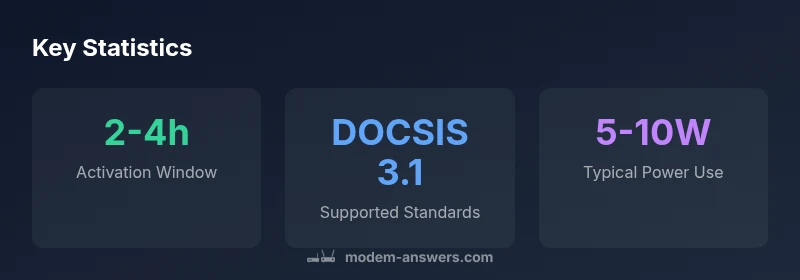
According to Modem Answers, evaluating a modem for Spectrum requires looking beyond cosmetic features and focusing on core standards and certification. First, verify the DOCSIS standard: DOCSIS 3.1 is generally preferred for higher-speed plans, while DOCSIS 3.0 may still suffice for slower tiers. Second, check Spectrum's official compatibility list to ensure the device is approved for activation; absence from the list can lead to activation failures or limited support. Third, consider the hardware footprint: number of Ethernet ports, USB options, and whether you want built-in Wi‑Fi or plan to use a separate router. Fourth, assess future-proofing: a modem that supports current standards and has firmware update assurances will last longer. Fifth, examine energy use and heat under sustained load; some older or cheaper units may run warmer and consume more power. Finally, consider the vendor ecosystem: a modem you can update easily and that receives timely firmware updates reduces the risk of security vulnerabilities and compatibility issues. The goal is to strike a balance between price, reliability, and long-term plan compatibility.
Understanding DOCSIS compatibility and labeling
DOCSIS is the standard that defines how modems communicate with cable providers like Spectrum. A modem labeled DOCSIS 3.1 is built to handle higher throughput and more efficient spectrum use than DOCSIS 3.0, which matters if you subscribe to gigabit or near-gigabit plans. When evaluating the et2251 spectrum modem, look for explicit documentation of DOCSIS support and Spectrum compatibility. Read product labels and official provider listings, and avoid devices with vague marketing claims. If you see terms like “CableLabs certified,” that’s a positive signal, but always cross-check with Spectrum’s current device list. In practice, even a DOCSIS 3.1 modem without Spectrum approval will not activate reliably on Spectrum’s network, so the certification step is essential.
Setup, activation, and troubleshooting tips
To set up a Spectrum modem, start by connecting the coaxial cable to the modem’s coax port, then connect the Ethernet cable to your router or directly to a computer for initial testing. Power on the device and use the Spectrum app or your account portal to initiate activation; you may be asked for the device’s MAC address and serial number. If activation stalls, perform a full power cycle (unplug, wait 60 seconds, plug back in) and retry. Check for LED indicators: a steady online light is a sign of success, a blinking light can indicate activity or a fault depending on the model. If activation continues to fail, contact Spectrum support and confirm that the device is on their approved list. Keep firmware updated, and avoid using third-party firmware if the device is not designed for it. Finally, test basic connectivity with multiple devices to identify if the issue is wireless performance or the modem itself. If issues persist, you may need a replacement unit or a different model that Spectrum explicitly supports.
Performance optimization for common home layouts
A central, elevated location for your modem and router improves signal distribution in most homes. If you can place the modem near a central area away from thick walls or metal appliances, you’ll see more consistent coverage. For larger homes, consider a dedicated router or mesh system rather than stacking extra access points on a single device. Use Ethernet backhaul where possible to reduce Wi‑Fi congestion and ensure connecting devices have a reliable, wired path to the internet backbone. Update firmware regularly and monitor performance with simple speed tests across rooms to identify dead zones. If Wi‑Fi remains weak, you can enable bridge mode on the modem and rely on a higher-performance router to manage Wi‑Fi, or vice versa, depending on your preferred network topology. Lastly, be mindful of interference from neighboring networks and household devices; changing the channel on your router can yield meaningful gains in crowded environments. The Modem Answers team also recommends using Spectrum's official compatibility page to confirm the device will work with your address before buying.
Spectrum modem compatibility basics
| Aspect | Spectrum Compatibility | Notes |
|---|---|---|
| DOCSIS standard | 3.0/3.1 support | 3.1 is preferred for gigabit plans |
| Approved list status | Spectrum-approved | Activation relies on list presence |
| Activation method | Auto-activation via app | Follow prompts in Spectrum app |
FAQ
What is the et2251 spectrum modem?
The et2251 spectrum modem is a DOCSIS-compatible cable modem referenced for Spectrum service. There isn't widely published documentation for that exact model number. Compatibility depends on DOCSIS support and certification, so verify with Spectrum's compatibility page.
The et2251 refers to a DOCSIS-compatible modem for Spectrum—check Spectrum’s approved device list to confirm compatibility.
Is it compatible with Spectrum service?
Compatibility depends on official approval and DOCSIS support. Ensure the device is on Spectrum's approved list and supports the speeds you subscribe to.
Yes, if Spectrum lists it as approved and it supports your plan.
Should I rent or buy?
Buying a modem is often more economical long-term, but you’ll handle maintenance and firmware updates yourself. Spectrum support may be stronger for rented devices.
Buying can save money over time; you’ll manage updates yourself.
What are activation steps?
Connect coax, power on, and activate via the Spectrum app or account portal. You may need the device MAC address and serial number and to follow on-screen prompts.
Use the Spectrum app to activate, following on-screen prompts.
How can I improve Wi-Fi performance?
Place your modem/router centrally, use a separate router or mesh system for better coverage, update firmware, and run wired Ethernet for high-traffic devices.
Move the router to a central spot and use wired connections where you can.
Where can I find Spectrum-approved models?
Visit Spectrum's official compatibility page or contact customer support to confirm approved modems for your address and plan.
Check Spectrum's compatibility list.
“Modem selection should center on real-world compatibility and predictable activation. Focus on DOCSIS capability, certification, and a straightforward setup.”
Key Takeaways
- Check Spectrum-approved list before buying.
- Prefer DOCSIS 3.1 for future-proof speeds.
- Position the modem centrally and pair with a capable router.
- Use the Spectrum app for activation and monitoring.